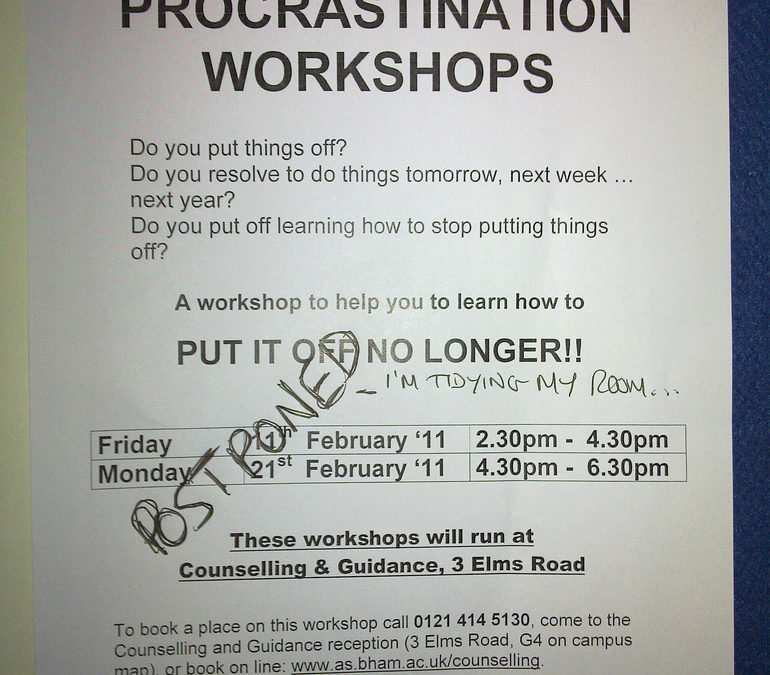
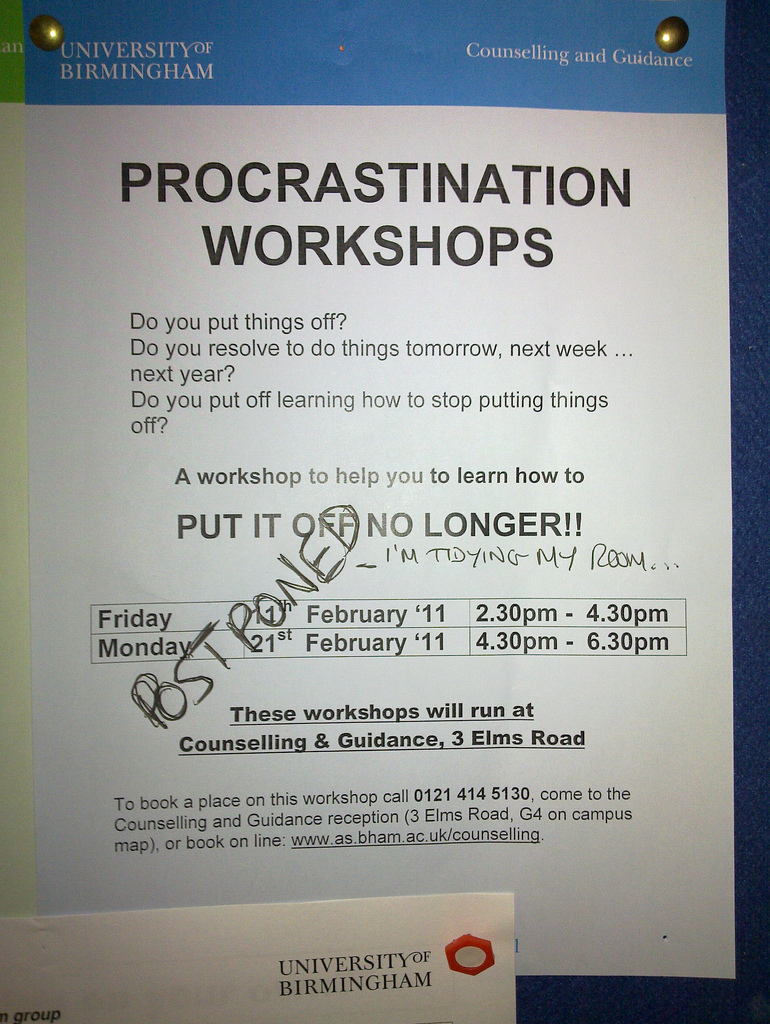
The following is a guest post by my friend Barb Raveling. She has authored an amazing book that will help you conquer bad habits and achieve meaningful goals. If I were still practicing as a clinical psychologist, I would recommend it to all my clients, so I commend it to you!
Do you ever have a hard time working on your goals? Is it a struggle to finish this year’s curriculum, keep training for that 5K, or complete that project for work?
I know it is for me. For some reason, even though I really want to accomplish my goals, I can’t make myself work on them.
It’s too hard, I think. Or I don’t have enough time. Or it’s not fun. Or even, I’ll never succeed anyway, so why bother?
When I get into this mindset, I don’t have enough discipline to make myself work. My best hope is to renew my mind so that I actually want to work. I do that by answering questions.
Here are 10 questions I ask myself when I’m dreading the very thought of work.
Questions for Your Journal
What would you like to accomplish today? Be specific.
Why do you want to accomplish that?
Why don’t you feel like working right now?
What do you feel like doing instead?
If you ignore your project and do that instead, how will you feel afterwards?
What will you have to sacrifice to work on your project?
How will you feel when you complete this project and why will you feel that way?
When you think of how you’ll feel, is it worth the sacrifice to work on it?
What’s the first thing you need to do if you want to work on this project? (Example: Get out your notebook, open the computer file, look up the telephone number, etc.)
Why don’t you do that right now and see how it goes from there?
When I ask myself these questions – and usually I do it on the pages of my journal – I find my desires changing so that by the end of the questions, I actually want to do that dreaded project.
Here’s an example of how I filled out the questions below to write this guest post.
Dread
1. What would you like to accomplish today? Be specific.
I would like to write this guest post for Melanie’s blog.
2. Why do you want to accomplish that?
Because I told Melanie a long time ago that I would write it and I want to write anyway to help people find out about my new book,The Renewing of the Mind Project.
3. Why don’t you feel like working right now?
Because it’s too hard. I don’t know what to write.
4. What do you feel like doing instead?
Wasting time on the Internet.
5. If you ignore your project and do that instead, how will you feel afterwards?
I’ll feel defeated. It will reinforce the idea that this guest post is too hard to write and it will make me want to keep putting it off.
6. What will you have to sacrifice to work on your project?
I’ll have to sacrifice my comfort, my desire to have the easy life, and my desire to write the perfect blog post since I know I can’t write a perfect blog post!
7. How will you feel when you complete this project and why will you feel that way?
I will feel incredible because this to-do item has been on my weekly to-do list for three months now! It will feel so good to cross it off my list and not have it hanging over my head!
8. When you think of how you’ll feel, is it worth the sacrifice to work on it?
Yes!
9. What’s the first thing you need to do if you want to work on this project? (Example: Get out your notebook, open the computer file, look up the telephone number, etc.)
Decide on a topic.
10. Why don’t you do that right now and see how it goes from there?
Okay!
Can you see how these questions would make you actually want to work on your project? By the time I was finished, I was thinking, “Well, maybe it won’t be so bad to write this post. I’ll just do the first thing and see how it goes from there.”
I did that and it took about 30 minutes to write the post I had been procrastinating for two months! If you struggle with procrastination like I do, I hope you’ll give these questions a try.
If you’d like more questions like this to journal through, check out The Renewing of the Mind Project. It’s filled with 48 sets of questions and Bible verses to help you with pursuing goals, starting habits, stopping habits, and letting go of negative emotions such as anger, worry, insecurity, and stress. It can also be used as curriculum for a Christian growth group or personal study for older teens and adults.
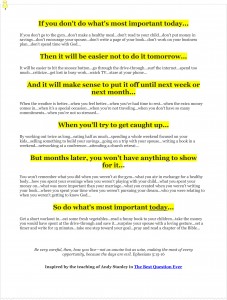
If you don’t go to the gym…don’t make a healthy meal…don’t read to your child…don’t put money in savings…don’t encourage your spouse…don’t write a page of your book…don’t work on your business plan…don’t spend time with God…
Then it will be easier not to do it tomorrow…
It will be easier to hit the snooze button…go through the drive-through…surf the internet…spend too much…criticize…get lost in busy work…watch TV…stare at your phone…
And it will make sense to put it off until next week or next month…
When the weather is better…when you feel better…when you’ve had time to rest…when the extra money comes in…when it’s a special occasion…when you’re not traveling…when you don’t have so many commitments…when you’re not so stressed…
When you’ll try to get caught up…
By working out twice as long…eating half as much…spending a weekend focused on your kids…selling something to build your savings…going on a trip with your spouse…writing a book in a weekend…networking at a conference…attending a church retreat…
But months later, you won’t have anything to show for it…
You won’t remember what you did when you weren’t at the gym…what you ate in exchange for a healthy body…how you spent your evenings when you weren’t playing with your child…what you spent your money on…what was more important than your marriage…what you created when you weren’t writing your book…where you spent your time when you weren’t achieving your dream…who you were talking to when you weren’t getting to know God…
So do what’s most important today…
Get a short workout in…eat some fresh vegetables…read a funny book to your children…take the money you would have spent at the drive-through and save it…surprise your spouse with a loving gesture…set a timer and write for 15 minutes…take one small step toward your goal…pray and read a chapter of the Bible…
Be very careful, then, how you live—not as unwise but as wise, making the most of every opportunity, because the days are evil. Ephesians 5:15-16
This week I tested the Pomodoro Technique by planning my tasks in order of importance, estimating how many Pomodoros each would take, and then working for 25-minute periods followed by 5-minute breaks. Scroll to the bottom of last week’s post to read more.
How the Pomodoro Technique Saved My Sanity This Week
Helped me think about what I wanted to accomplish. At least it did for the ONE day that I used the technique completely as written in the free PDF. I liked having a plan for the day. I felt a sense of peace in knowing that the must-do tasks were on my list in order of importance.
Helped me keep internal distractions under control. Knowing that I could do what I wanted after a solid period of work helped me not to give in to the temptation to web surf before doing what needed done.
How the Pomodoro Technique Made Me Crazy This Week
Breaks too short. Five minutes wasn’t enough to do anything satisfying. I think this would be perfect for a traditional desk job, however.
Rigid rules. If a Pomodoro ends early, you’re supposed to review your work until the timer goes off. Really? I decided to take a longer break. If you get interrupted, you’re supposed to start the timer over. Again, really? In a house with six kids and a husband? I’d work all day and get no Pomodoro credit. I also really hated having to work each task to completion in order, rather than having the choice to do a little in whatever order as I did with DIT.
Confusing record keeping. I estimated the number of Pomodoros each task would require, then realized I could knock out two tasks simultaneously. I found myself moving back and forth between the two tasks. How many Pomodoros should each get? I had no idea.
Did the Pomodoro Technique Help Me Get More Done?
Yes and no. Using the technique as written helped me focus for several hours and then I was ready to scream because of the arbitrary nature of it. Using a 50-minute work period followed by a ten-minute break works beautifully for me, however. If I am not rigid about it and I ignore every other aspect of the technique, it works for me.
**UPDATE**
I rarely set a timer these days for work, because I am using time blocking instead. If I had to tackle something really unappealing, I would definitely rely on it, but I have been motivated in my work for quite some time. I do think it’s a great approach.
The Productivity Approach I’ll Be Using for Week 10
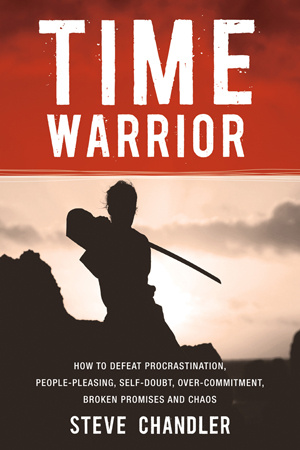
This week I’ll be using the principles of Time Warriorby Steve Chandler–a cognitive approach to productivity.
The concept. As a psychologist, I know that the way we think about productivity is much more important than how we choose to manage our tasks. Despite the book being full of New Age philosophy that is at odds with my faith, Time Warrior is also full of great advice for getting things done.
Chandler’s approach can be summarized as: do what you know you need to do now, even if that’s at odds with your thoughts and feelings.
This approach addresses the feeling of overwhelm. He writes, “You are not, in this hour we’ve chosen to look at, at all overwhelmed, are you? Not in this particular hour. But your story is that you are. You can drop that story. You can tell a different story. Try this story: ‘I’ve only got one thing to do! How liberating. It’s the thing I’m doing right now.'”
This approach eliminates mental time wasters. Chandler explains, “To really live now there are two things I want to phase out of my life forever: (1) Resentments about the past and (2) Worries about the future. These two activities, strengthened by repeated indulgence, are like hagfish. Hagfish? Many people don’t know what hagfish are, but they are just like worries and resentments. In the real, undersea world, hagfish are blind, slimy, deepwater eel-like creatures that dart into the orifices of their prey and devour them, alive, from the inside. Kill the hagfish in your life. Then you can live now and maybe procrastinate later.”
This approach defeats procrastination. The Time Warrior argues, “The main reason people have a problem with procrastination is that they don’t see the connection between completing something and having new, fresh energy come out of that. They actually imagine that working on this thing and finishing it would drain even more of their energy and they get tired just thinking about it, so they don’t complete it…If procrastination is occurring, do the things you are procrastinating on. It’s a very simple cure and it’s the last thing people really want to do because they don’t really want to cure procrastination. They want to find some mysterious psychotic fault line in themselves that causes them to procrastinate and then try to examine that fault line (even if it takes years) rather than do the thing.”
If you’d like to join me this week, here’s what you do. Stay focused on doing things now. Go to war with past resentments, future worries, or negative thinking that keeps you stuck. Write down the negative thoughts you keep returning to so you can challenge them. Try to accomplish as many things as you can to increase your energy and to put an end to your personal story that you’re a victim of procrastination. Of course, if you want more, you can pick up a copy of Time Warrior {Amazon affiliate link}.
To see how my week using the Time Warrior went, click here. .
If you’ve tried the Pomodoro Technique to increase your productivity, please vote in the poll below.
Here are the links to the productivity hacks I’ve tried so far:
This week I tested the ability of Nick Jehlen’s Guilt Hour, as described on Lifehacker to help me get things done. I did not work with a team, nor did I plan to use a one-hour time slot a week, but four 15-minute guilt-attacking periods. Scroll to the end of this post for a full description of my test.
How the Guilt Hour Saved My Sanity This Week
Helped me realize how guilty I feel. This may have been the worst week for me to test this approach because I was playing catch-up from the week before when I had many scheduled commitments. I felt guilty about putting things off, especially when people started asking me about them. Thinking about doing what I feel most guilty about made me realize that there aren’t many things I don’t feel guilty about. That’s an important piece of my productivity pie.
Encouraged me to spend quality time with my kids. Maybe my kids are reading this blog, because two of them asked me to spend individual time with them this week and I couldn’t refuse. Of course, I feel guilty about not having individual time with the kids. My son asked to use a gift card he’d gotten for his birthday, so we went out for a great dinner together. I’ve already seen improvement in his attitude as a result. My daughter asked for a girl’s night which she planned so many activities for, it ended up being a girl’s DAY, too. When all is said and done, no one will remember that I got buttons stitched on, woodwork cleaned, or a blog plugin installed. But my kids will remember their time with mom.
How the Guilt Hour Made Me Crazy This Week
Too much I feel guilty about. I felt very overwhelmed trying to decide which guilty tasks to focus on–especially because I felt guilty enough just trying to dig my way out of last week’s backlog.
Vague time commitment. I hadn’t scheduled time to do this. I just knew that I would be doing four 15-minute periods. But after spending almost an entire day and night with my kids, I didn’t feel like I could afford to spend more time on the Guilt Hour. That made me feel–you guessed it!–guilty.
Tapped into my procrastination issues. I’ve discovered that guilt and procrastination are a vicious cycle. It really doesn’t matter which I start with (guilt or procrastination), because I’m in trouble either way. I need more than a guilt hour to get me to tackle some of these tasks, I’m afraid. The little-and-often approach of SMEMA from last week might help. Maybe I needed the support of other people tackling their guilt-producing tasks, too.
Did the Guilt Hour Help Me Get More Done?
In general, NO. I invested time in my children which is extremely important to me, but in terms of getting things–even just guilt-laden tasks–done, it did not work for me. It’s possible this was a bad week, that scheduling it as a complete hour, and getting support might help. But for now, it’s not something I plan to continue.
**UPDATE**
Unsurprisingly, I still do not use a Guilt Hour and avoid feeling guilty about tasks. Instead, I take Sundays off completely to do ONLY what I want to do (aside from family, friend, and church commitments). This works much better for me.
The Productivity Approach I’ll Be Using for Week 7
Jason Womack believes that envisioning your ideal day is the best way to make it happen. He spends 15 minutes a day picturing how he’d like the next 24 hours to go.
The concept. By imagining how you’d like your day to unfold, you’re reviewing your goals, your tasks, and your time in a realistic way. After all, no one’s ideal day is working at an intense pace for 24 hours with no breaks. A friend mentioned that she was going to use SMEMA in conjunction with envisioning her ideal day and I thought that was a great idea. I’m not committed to spending a full 15 minutes, but I will do this every day this week in written form using idonethis. I have my idonethis email sent to me in the morning, so I can email my ideal day to idonethis in the morning and write back in the evening with what my day was actually like.
If you’d like to join me this week, here’s what you do. Read Jason’s description of how he envisions his ideal day. Decide if you’ll record it and follow up like I am or will just dream it. Check out idonethis if you’re interested in recording your ideal day. It’s free.
Click here to see how envisioning my ideal day worked for me.
If you’ve tried the Guilt Hour to increase your productivity, please vote in the poll below.
Here are the links to the productivity hacks I’ve tried so far:
I put lots of projects off until the summer when I will supposedly have more time. My husband works teachers’ hours and has most of the summer off. He enjoys being what I call “The Crazed Cruise Director.” He has lots and lots of plans for us to have lots and lots of fun. And while we all have a good time, every fall I find myself asking what I got accomplished during the summer. The fact is, I need to stop procrastinating, imagining that I’ll be able to do it all come summer.
I see the same procrastination habit in my children. They have to get their school work and chores done during the day, but they typically wait until the last minute when my husband typically announces we are off to do something fun. Again, while we all enjoy our free time, I find myself frustrated that important work isn’t getting done.
Do you put things off until the summer or the end of the day? Do your children? Does procrastination frustrate you like it does me? If so, read on.
While I put things off, I think a lot about why I do. I wrote about procrastination that is based on our dislike for obligations. Anything we have to do, we don’t typically like to do, so we avoid it. I give you some suggestions for coping with this type of procrastination on my Not Wonder Woman blog for Christian women.
But there’s more to understanding and defeating procrastination.
First, we have to address the argument often made that we procrastinate because we work better under pressure.
Not so, say psychologists. Did we really need a psychologist to tell us the truth about our last-minute, panick-stricken work episodes? I think not. Deep down, we know that this way of working is inefficient and just plain stressful. Like any bad habit, I believe it also diminishes our self-esteem.
If we aren’t procrastinating because it’s more effective, why are we? The simplest explanation is that we will always do what is most rewarding now, rather than later. What’s most rewarding now isn’t for your child to do the math worksheet he doesn’t enjoy. What’s most rewarding now isn’t for you to make breakfast for tomorrow. What’s most rewarding now is for your child to run around pretending to be a cowboy and what’s most rewarding now for you is to surf the Web.
The reward we get for not doing the less pleasant work now can create a habit–a bad one.
Second, we have to break the habit of procrastination.
Don’t shame yourself or your child. It’s natural for us to do the most rewarding tasks first. What goes against the grain is building our skills at delayed gratification. Even though it’s challenging, you and your child can break the habit.
Take small steps. The website, tinyhabits, explains how we can be successful in changing our habits by making the changes very, very tiny. You might have your child start by doing just one math problem and you could just decide what to make for breakfast.
Reward them. We develop the habit of procrastination because it’s rewarding. To change the habit, we have to reward our new work behavior. You could congratulate your child or give him a sticker after doing one math problem. You could give yourself a piece of sugar-free gum or put an X on your calendar as a reward. Even an “Atta, girl!” can work wonders.
Make the long-term reward more visible. The reason the allure of playing cowboy is greater than doing a math worksheet is because your child can’t see the positives in being good at math. To help him, you might read from a book like Mathematicians Are People, Too: Stories from the Lives of Great Mathematicians. Or you might simply tell Dad how smart he is getting at math which will enable him to do a special math-related activity with dad (e.g., build something). For yourself, you might read a list of reasons you want breakfast made ahead of time each evening. I use my iPhone to give myself reminders at critical times for habits I want to change. I might use something like, “Remember how nice it will be to have a healthy breakfast already made when you get up.”
With just a little effort, you can break the procrastination habit in you and your child. Don’t postpone it!
How have you been able to break the procrastination habit?
The problem is that our rebel can mistake any item on a to-do list as a rule. It can be perceived as a should, a have to, or a must which will really get our rebel's goat. My inner rebel seems to like doing anything BUT what is on a to-do list. That's why using something like The Now Habit where you schedule your leisure time can be very effective.
But if you have a really hardcore rebel like I do, you perceive doing something like scheduling your leisure time as a should, a have to, or a must and you don't want to do that either. Fortunately, there's a very simple solution: consider putting a question mark behind tasks that are likely to rankle your rebel.
Let's say your spouse has asked you to organize and clean a specific room or area of your home. (You're already in trouble, aren't you?) Instead of commanding your inner rebel to get busy on that tomorrow by noting:
Clean out spare bedroom
Notice the psychological difference the question mark makes:
Clean out spare bedroom?
The first is like an order from a drill sergeant, whereas the second is a suggestion from a sheepish subordinate. You still might not do it, but I would argue that you're MORE LIKELY to do it with the addition of a question mark.
I've mentioned before that I love Goodtodo because it's like every task has a question mark behind it. I can quickly and easily send tasks to alternate dates. Recently, I've created an Optional category as well. Adding tasks to that category is also like finishing them with the very respectful question mark.
Would you like to try using a question mark to help you GTD? 🙂
I’m a Christian psychologist turned homeschooling mother of six. My life can be a little crazy, so I look for sanity-saving ideas to use and share. I hope you’ll read my About page to learn more.